
Freshwater algae are a natural part of North Idaho’s lakes, rivers, and streams. These microorganisms produce oxygen, absorb nutrients, and support the entire aquatic food web. They often go unnoticed and cause no harm. As our summer heat lingers, algae sometimes grow out of control and form what we call “algal blooms.” A bloom can turn our favorite recreation spots into smelly, discolored, or even hazardous places. Some – but not all –algal blooms are caused by cyanobacteria, also known as blue‑green algae. A bloom will sometimes – but not always– produce toxins harmful to people, pets, and wildlife. When toxins are present, the event is known as a harmful algal bloom (HAB).
What do I need to know?
1. What are the risks?
Cyanotoxins can affect the skin, liver, and nervous system. People exposed to toxins
may experience headaches, stomach pain, vomiting, diarrhea, tingling, or, in severe
cases, breathing difficulties. Symptoms can appear within hours or take days to develop.
Pets are especially vulnerable. Your furry friend may have cyanobacteria trapped and
concentrated in its fur, increasing exposure when the pet licks itself after swimming.
Dogs may also drink the harmful water, and HABs have caused pet deaths in our area.
Beyond health concerns, HABs can affect our local economy because visitors tend to
avoid waterways with HABs.
2. How do I find out about HABs on Hayden Lake?
This diagram shows the general process for a health advisory, which is the result of
collaboration between multiple agencies.

When a health advisory is issued, it is commonly reported in the Coeur d’Alene Press, the HLWID website, and the Hayden Lake Watershed Association’s website. Both the District and the Association send emails regarding HAB health advisories. The HLWID typically informs Companions Animal Center to help promote awareness among pet owners and area veterinarians.
You can check whether Hayden Lake has a health advisory by using the Idaho DEQ website Cyanobacteria Harmful Algal Blooms – Idaho Department of Environmental Quality.
3. How can I protect my family and my pets?
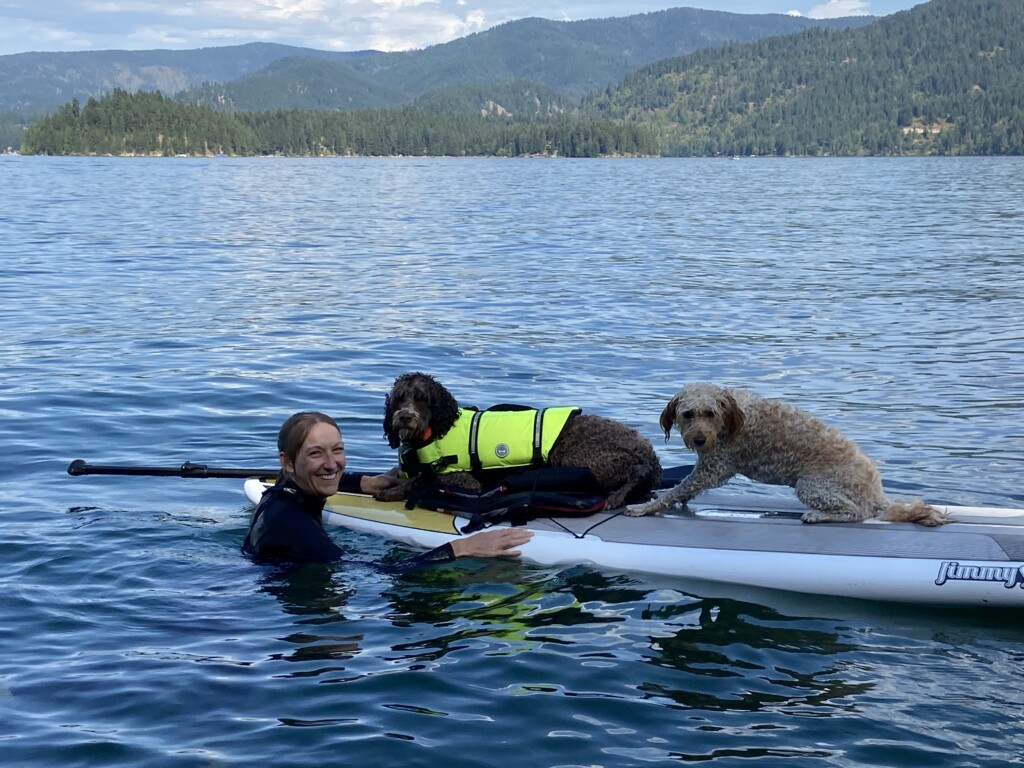
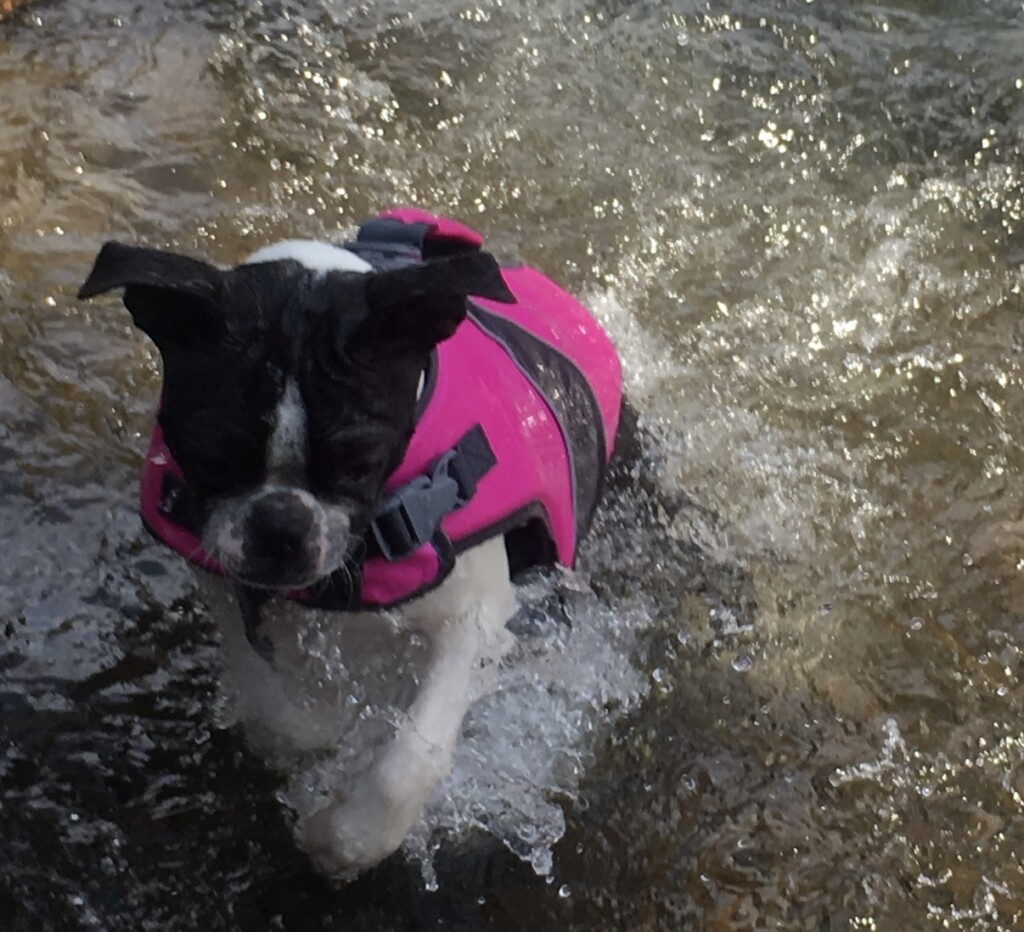
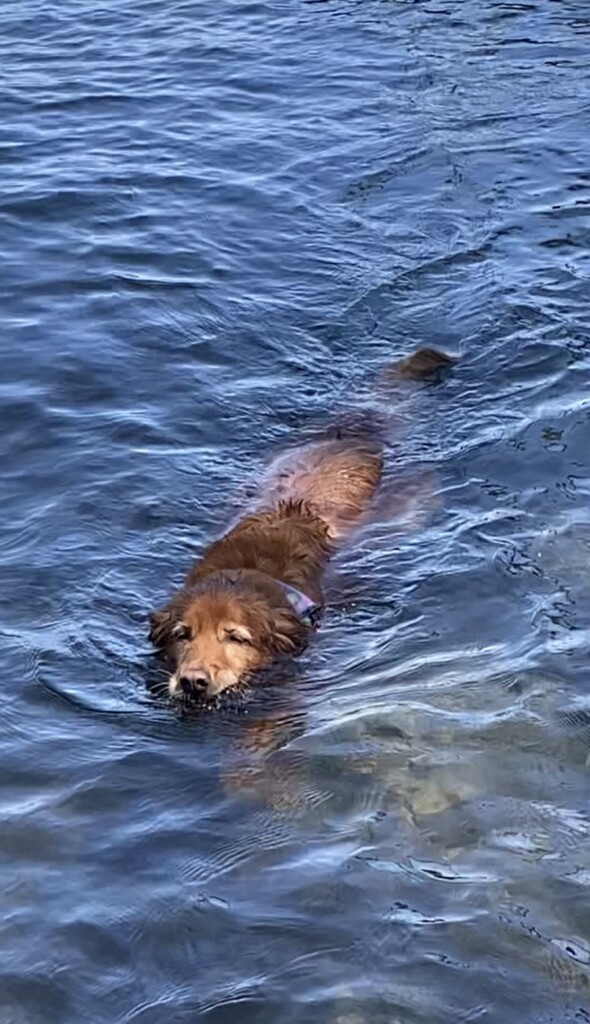
When in doubt, stay out!
- Avoid water that looks discolored, foamy, or scummy
- Keep pets out of suspicious water; they are at higher risk
- Rinse thoroughly with clean water after swimming
Follow posted signs and check alert system

4. What about my household water?
Most of us who draw drinking water from the lake cannot rely on our filtration systems because the toxins are about 1000 times smaller than even the finest filters in commonly used filtration systems. In addition, boiling your water will not remove cyanobacteria or their toxins during a bloom; in fact, it will likely make things worse! Nanofiltration methods (like reverse osmosis) can be effective – talk to your water treatment professional to evaluate your system.
5. Can I eat the fish I catch during a bloom?
If people choose to eat fish from the lake, it is recommended that they remove all fat, skin and organs before cooking, since toxins are more likely to collect in those tissues.
6. Who should I notify if I suspect an algal bloom?
Report cyanoHABs events using DEQ’s online form, by email at algae@deq.idaho.gov, or by calling (866) 671-5385. You are encouraged to submit observations and photographs.
7. What do HABs look like?
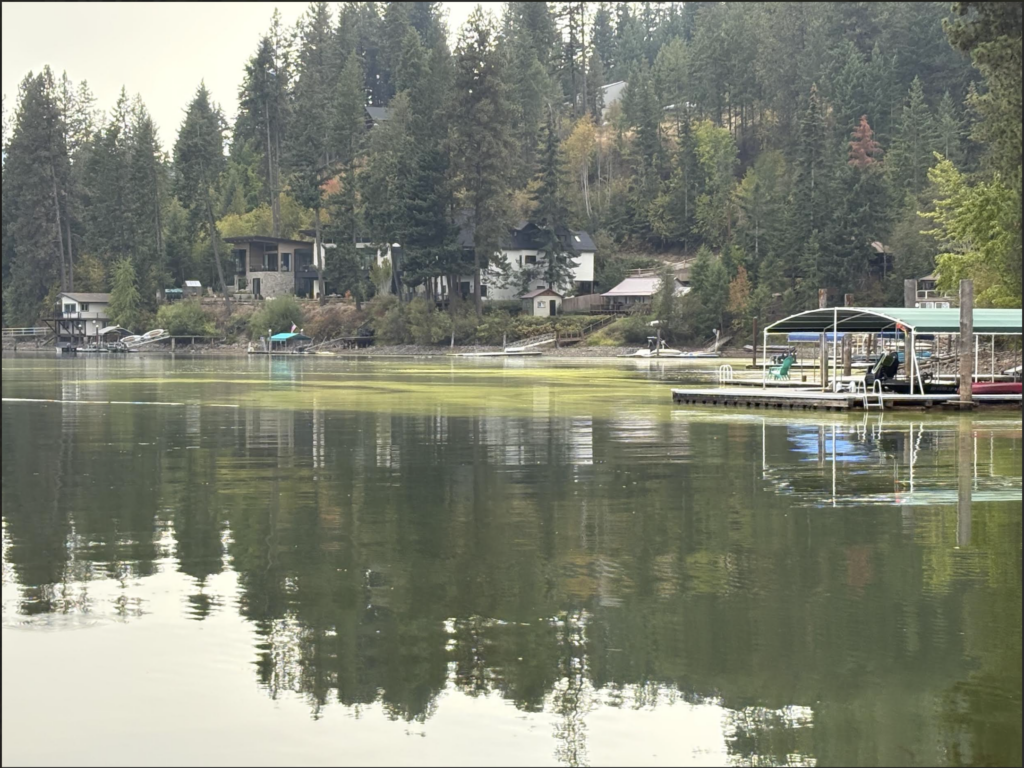
Cyanobacteria blooms can appear in many forms, especially along the shoreline:
- Bright green or pea-soup-like water
- Streaks or clumps of scum
- Thick mats
- Colors ranging from green to brown, yellow, orange, or even red
Not everything green is harmful. Duckweed, filamentous green algae, and pine pollen often get mistaken for HABs but are not toxic. To determine whether something is a HAB, water samples are analyzed in a lab because neither the cyanobacteria nor the toxins are visible with the naked eye.
HLWID Activity
Hayden Lake has experienced HABs in the North Arm with alarming frequency over the previous 12 years–much too frequently for a lake where residents draw drinking water, and families use Sportsmans Park access for swimming, fishing, and water sports recreation.
HLWID applied for and received EPA funding via an Emerging Contaminants Grant. It is focused on reducing or eliminating cyanobacteria and cyanotoxins in the North Arm. A preliminary design report for the restoration project is available on the District website https://haydenlakewid.com/. Next steps include coordinating continued funding to refine restoration alternatives, additional water quality monitoring and analysis, and obtaining environmental permitting as necessary. The District will continue to share updates as the Hayden Lake restoration project progresses. For more information and to stay up to date, visit our website https://haydenlakewid.com/drinking-water-grant/history-background/
What else can I do?
Reducing nutrient pollution, such as excess phosphorus or nitrogen, is essential to decreasing cyanotoxins in drinking water sources. Aquatic invasive species can also increase HABs. Things you can do to reduce nutrients in drinking water sources include:
- use phosphate-free detergents
- dispose of your pet waste properly
- maintain your septic system
- apply fertilizers only when necessary and at the recommended amount
- Follow Clean. Drain. Dry. protocols and drain all water from storage areas in watercraft
- Volunteer in one of the many Hayden Lake watershed protection efforts
Additional prevention activities can be found at https://www.epa.gov/nutrientpollution/what-you-can-do.